
At Flying Roasters, we don’t see coffee as an industrial commodity, but as a premium agricultural product. Since 2016, our roastery has been consistently certified organic, and we proudly offer our entire range with the official organic certification. But for us, organic coffee goes beyond certification: we regularly visit our partners at origin to see their farming practices firsthand and gain a personal understanding of how our coffee is grown.
When it comes to organic certification, what matters most to us are the conditions in the producing countries. That is why we work exclusively with cooperatives that are genuinely committed to ecological farming practices.
Flying Roasters Organic Quality: Independently Laboratory Tested
Organic certification provides the foundation for our quality standards. To create even greater transparency, we complement it with regular farm visits and independent laboratory testing:
- No synthetic chemical pesticides: Under certified organic farming standards, the use of synthetic chemical pesticides, including glyphosate, is not permitted.
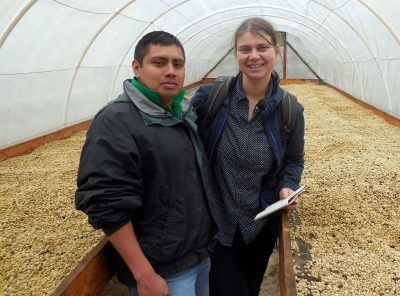
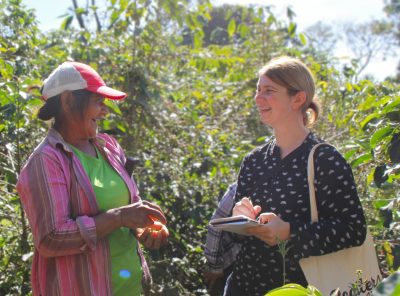
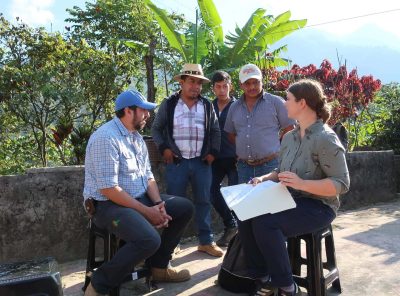
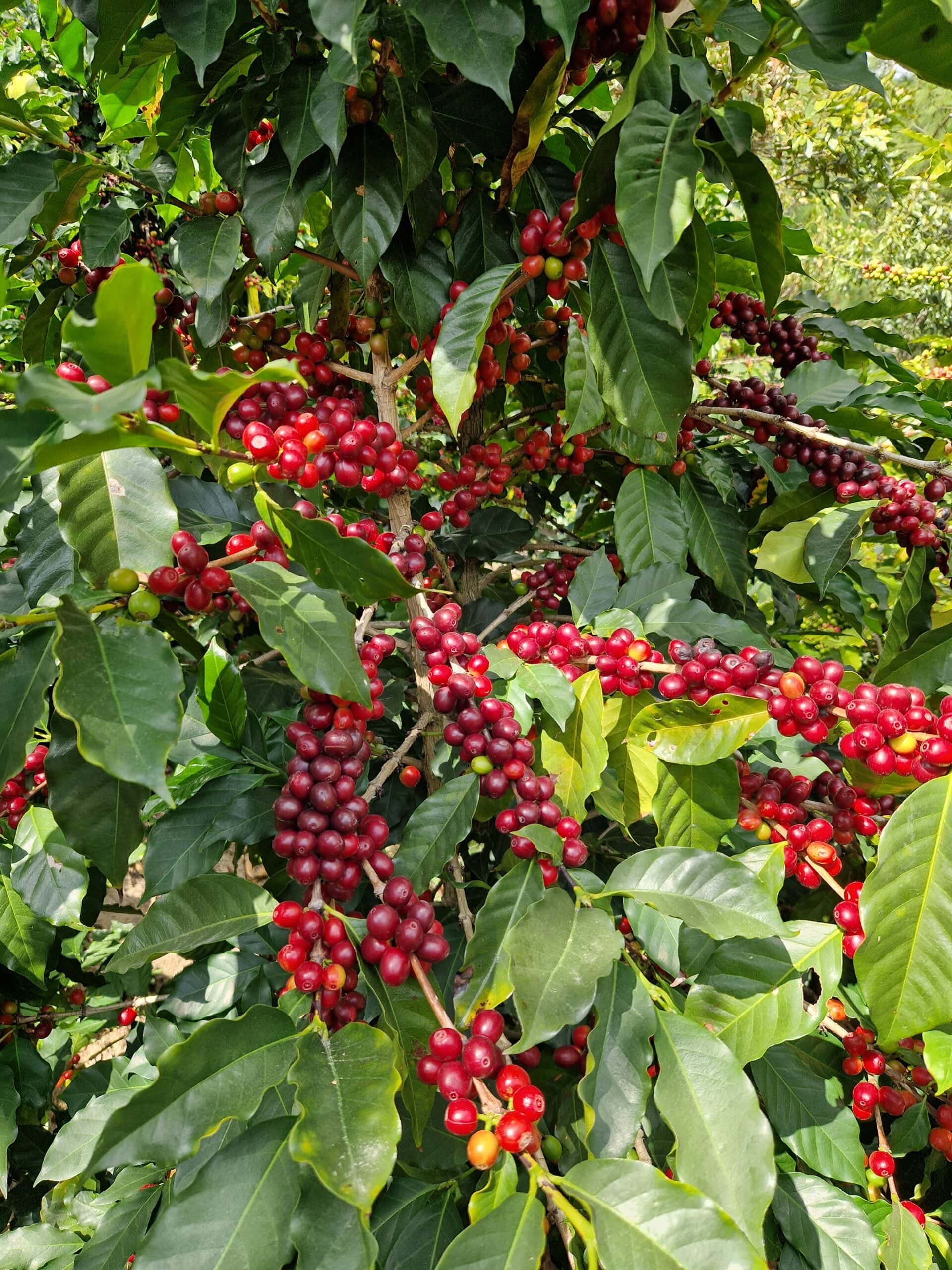
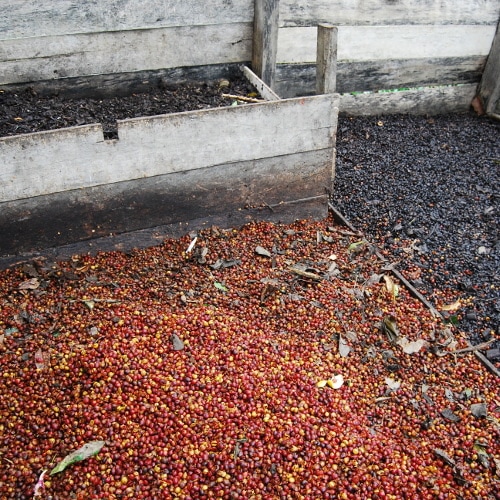
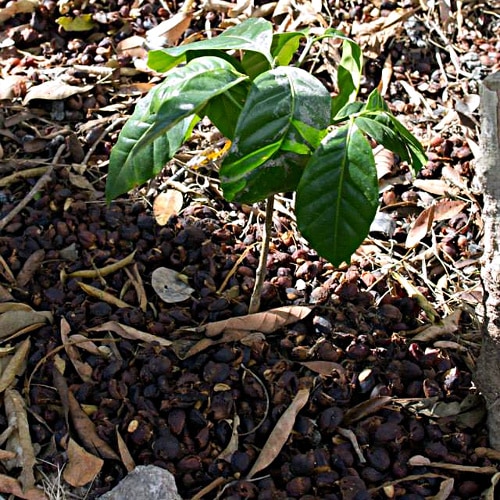
- Personal visits at origin: At least once a year, we visit our partner cooperatives—such as Combrifol in Honduras—directly in the countries where our coffee is grown. We work with producers who have deeply embedded ecological farming practices into their philosophy and who, for example, actively use beneficial microorganisms and organic fertilizers to support healthy soils and coffee plants.
- Independent laboratory analyses in Germany: Certification is an important foundation, but additional testing provides even greater transparency. We regularly commission an independent German laboratory to carry out random analyses of our coffees for glyphosate and pesticide residues.
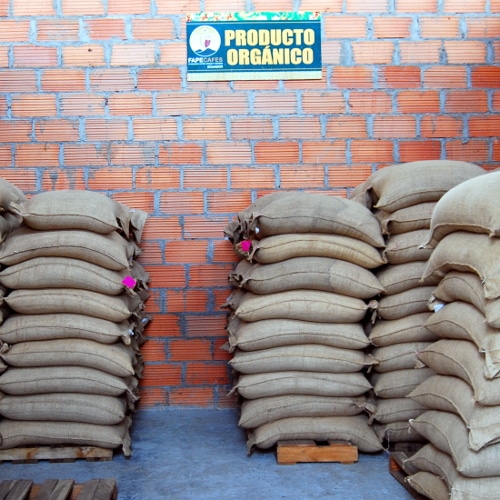
Preserving Biodiversity: Agroforestry Instead of Monoculture
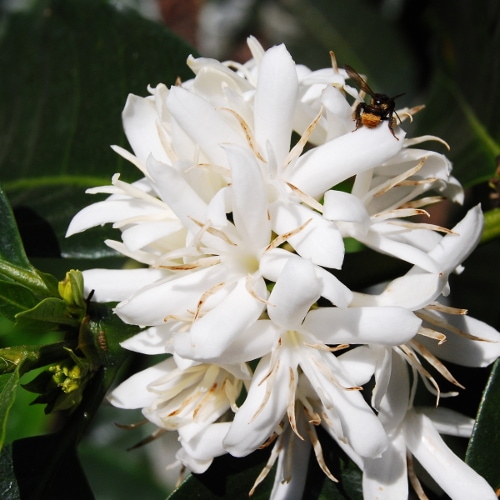
Avoiding synthetic chemical pesticides has a direct, positive impact on local ecosystems. Our coffees are grown in carefully managed agroforestry systems rather than in large-scale monocultures. Shade-grown coffee, cultivated beneath a diverse canopy of trees, helps protect the coffee plants, reduces soil erosion, and conserves valuable natural resources in the producing countries.
Scientific research has shown that agroforestry systems often support greater biodiversity than monoculture farming. At the same time, intercropping provides coffee-growing families with additional crops for their own consumption or as an extra source of income. Every single coffee cherry is carefully picked by hand.
Sustainability: From Farm to Roastery
For us, sustainable thinking does not end when the green coffee arrives at our roastery. Climate change is dramatically affecting coffee-growing regions around the world and threatening the livelihoods of many coffee farming families. Since transportation, roasting, and distribution also contribute to coffee’s overall carbon footprint, we continuously work to improve the sustainability of our own operations.
- Our roastery is powered entirely by certified renewable electricity.
- We actively reduce packaging waste. At our roastery in Berlin-Wedding, as well as for cafés and offices across Berlin, we offer reusable coffee buckets through our deposit-return system.
Your Coffee, Your Choice
With every bag of Flying Roasters coffee, you’re choosing organically certified specialty coffee that is independently laboratory tested for glyphosate and pesticide residues.